Get Directions

Root Canal Treatment Cost in Edmonton
If you have ever wondered what really determines your root canal treatment cost in Edmonton, you are not alone. Many patients feel uncertain about pricing before they even sit in the chair. The truth is, several specific factors combine to shape what you will pay. Understanding those factors helps you make confident, informed decisions about your care.
At Fresh Dental Edmonton, Dr. Hussien Nsair believes every patient deserves clear, honest answers. Root canal treatment is one of the most misunderstood procedures in dentistry. The cost conversation is just as confusing as the procedure itself. Let us break it all down for you.
How Tooth Type Directly Affects Root Canal Treatment Cost in Edmonton
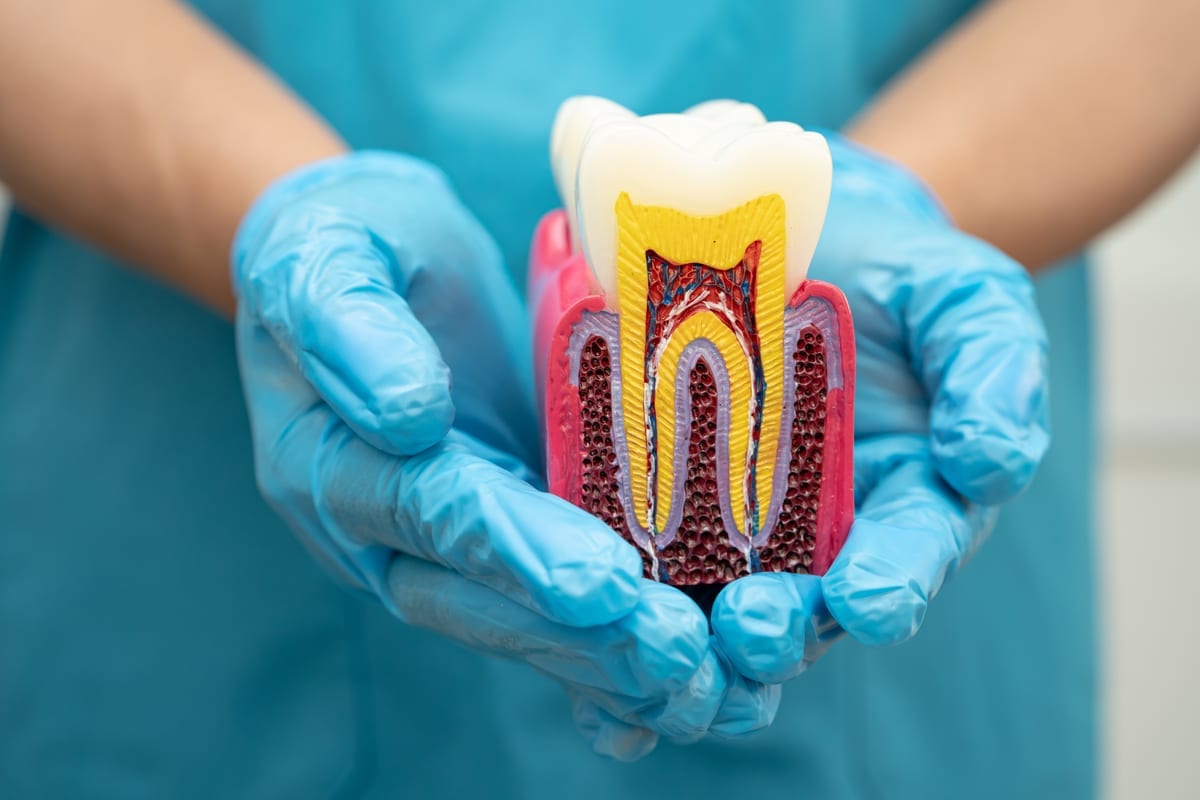
Not every tooth is built the same way. Front teeth, called incisors and canines, typically have a single root canal inside them. That makes treatment more straightforward and generally less involved. Molars at the back of your mouth, however, can have three or four separate canals to treat.
More canals mean more time in the chair. More time means more clinical work from your dental team. This is one of the most significant factors in what you will pay. The location and anatomy of the affected tooth matter enormously when pricing is determined.
Premolars fall somewhere in the middle. They usually have one or two canals. Your dentist will assess the exact anatomy through X-rays before giving you a treatment plan. That assessment forms the foundation of your cost estimate.
Complexity and Severity: Why No Two Cases Are Identical
Even two patients with the same tooth type can face very different situations. The severity of the infection plays a major role in how complex the procedure becomes. A straightforward infection caught early is far easier to treat. A long-standing infection that has spread to surrounding tissue requires significantly more work.
Calcified or curved canals also add to procedural difficulty. These anatomical variations require specialized instruments and extra precision. Your dentist spends more time navigating the root system carefully. That increased effort is reflected in the overall cost of treatment.
Previous dental work on the tooth matters too. A tooth with an existing crown or post may require additional steps to access the canals properly. Retreatment — performing a root canal on a tooth that had one before — is often more complex than a first-time procedure. Each of these factors stacks up and influences your final treatment cost.
- Early-stage infections are typically less complex to treat
- Curved or calcified canals require more specialized tools and time
- Teeth with prior dental work may need additional preparation steps
- Retreatment cases are generally more involved than initial treatments
- Severity of bone involvement can extend the procedure significantly
General Dentist vs. Specialist — What the Difference Means for Cost
In Edmonton, you can receive a Root Canal from either a general dentist or an endodontist. An endodontist is a specialist who focuses exclusively on root canal procedures. Their additional training and specialized equipment can influence the pricing of treatment. However, many general dentists are fully equipped to handle routine root canal cases with excellent outcomes.
General dentists like Dr. Hussien Nsair handle a wide range of root canal cases confidently. When a case is particularly complex, a referral to a specialist may be appropriate. That referral step can affect the overall cost you experience. Knowing this helps you understand why two different offices might quote differently.
Specialist offices also tend to carry more advanced imaging technology. Cone beam CT scans, for example, provide a three-dimensional view of root anatomy. This precision helps in complex cases but adds to the overall cost of care. It is an investment in accuracy and safety for the patient.
The Role of Aftercare in Your Overall Treatment Investment
Root canal treatment rarely ends with just the procedure itself. Most treated teeth require a dental crown placed afterward to protect the restored tooth. Without a crown, a treated tooth becomes brittle and prone to fracture. This post-treatment restoration is an important part of the full cost picture.
The type of crown you choose also plays a role. Porcelain, ceramic, and zirconia crowns vary in price and appearance. Your dentist will discuss which option best suits your tooth’s location and your personal preferences. That conversation helps ensure you understand the full investment before committing.
Some patients also need follow-up appointments to monitor healing. In cases where infection was severe, additional visits may be required. These appointments are important for ensuring a successful long-term outcome. Planning for them upfront removes financial surprises down the road.
- A protective crown is typically needed after root canal treatment
- Crown material choice affects the overall cost of tooth restoration
- Follow-up visits may be needed for complex or severe infection cases
- Addressing aftercare proactively protects your long-term dental investment
Comparing Root Canal Cost to the Alternative
Some patients consider tooth extraction as a lower-cost alternative to root canal treatment. In the short term, extraction may seem less expensive. However, a missing tooth creates new problems that require their own solutions. Those solutions often cost more over time than saving the natural tooth would have.
Replacing a missing tooth with options like Dental Bridges or implants involves its own investment. Bridges require preparation of adjacent teeth, while implants involve a surgical process. Both are effective, but neither is a simple or inexpensive path. Saving your natural tooth with a root canal is almost always the most cost-effective long-term decision.
Your natural tooth also provides better chewing function and bone preservation. Once a tooth is extracted, the jawbone in that area begins to shrink over time. Maintaining your natural teeth supports your overall oral health in ways that replacements cannot fully replicate. This is why dentists strongly favour saving teeth whenever possible.
What to Expect During Your Root Canal Consultation at Fresh Dental
When you visit Fresh Dental Edmonton, Dr. Hussien Nsair will thoroughly evaluate your tooth and surrounding tissues. Digital X-rays give a clear picture of the root canal system and infection extent. This evaluation is how your treatment plan — and cost estimate — gets built. Nothing is guessed; everything is assessed carefully.
You will receive a clear breakdown of what your treatment involves before any work begins. The team takes time to answer all your questions about the procedure and the cost. Feeling informed and comfortable matters deeply to everyone at Fresh Dental Edmonton. You deserve to make decisions with full knowledge, not uncertainty.
Transparency is a core part of how Dr. Hussien Nsair practices dentistry. Patients should never feel blindsided by costs they did not anticipate. The goal is always to present all your options with honest guidance. That way, you stay in control of your own dental health journey.
Understanding what really determines your root canal treatment cost in Edmonton empowers you as a patient. Knowledge removes fear and replaces it with confidence. The team at Fresh Dental Edmonton is here to guide you every step of the way. Book Now to schedule your appointment with our team.
Frequently Asked Questions
Does the type of tooth affect how much a root canal costs?
Yes, absolutely. Front teeth typically have one canal, making treatment less complex. Back molars can have three or four canals, which requires more time and work. The more canals involved, the more involved the procedure generally becomes.
Is root canal treatment more expensive at a specialist versus a general dentist?
It can be. Endodontists specialize exclusively in root canals and often use advanced imaging technology. Their additional expertise and equipment can influence pricing. Many general dentists handle routine root canal cases very effectively at a comparable cost.
Why does a crown cost extra after a root canal?
A root canal removes the nerve and blood supply from the tooth, which makes it more brittle over time. A dental crown protects the treated tooth from cracking or fracturing. Without a crown, the tooth is at a much higher risk of breaking. The crown is an essential part of fully restoring the tooth’s function.
Is saving a tooth with a root canal more cost-effective than extracting it?
In most cases, yes. Extraction may seem less expensive upfront, but replacing a missing tooth with a bridge or implant typically costs more overall. Your natural tooth also preserves jawbone density and chewing function better than any replacement option. Root canal treatment is usually the smarter long-term investment.
How do I get an accurate cost estimate for root canal treatment in Edmonton?
The best way is to schedule a consultation with Dr. Hussien Nsair at Fresh Dental Edmonton. During the visit, X-rays are taken and the tooth is thoroughly evaluated. You will receive a clear, personalized treatment plan with a full cost breakdown. That way, you understand exactly what is involved before any treatment begins.