Get Directions

What You’ll Actually Feel During a Root Canal Treatment
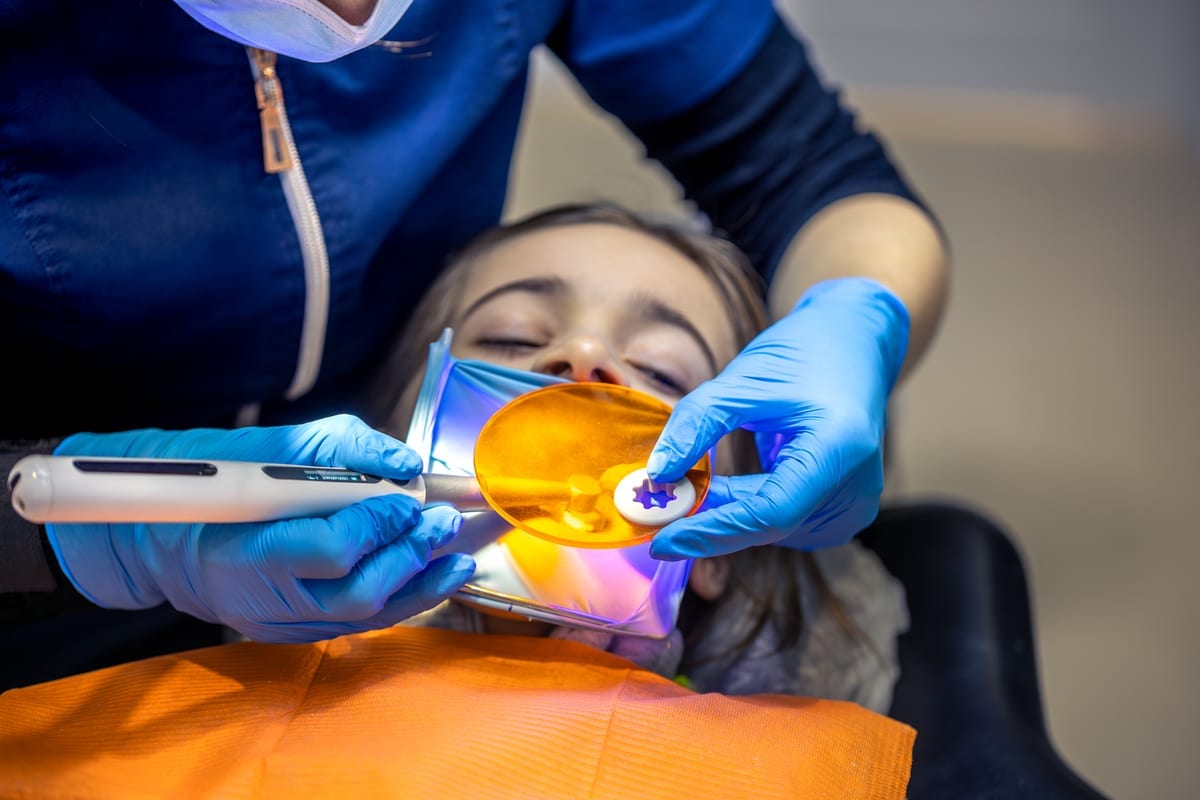
If you’ve been told you need a root canal, you’re probably feeling anxious. Most of that anxiety comes from not knowing what to expect. Understanding what you’ll actually feel during a root canal treatment in Edmonton can make a huge difference. At Fresh Dental Edmonton, Dr. Hussien Nsair helps patients feel calm and informed every step of the way. Visit our Root Canal Edmonton page to learn more about what we offer.
Root canals have a reputation that doesn’t match reality. Modern techniques and effective anaesthesia have transformed the experience. Most patients are surprised by how comfortable the procedure actually feels. Let’s walk through exactly what happens — and what you’ll feel at each stage.
Step 1: Numbing the Area — What You’ll Feel First
Before anything else, Dr. Nsair will apply a topical numbing gel to your gum. This gel takes effect within a minute or two. Its purpose is to reduce the sensation of the injection that follows. Most patients barely notice the needle at this stage.
Next comes the local anaesthetic injection. You may feel a brief pinching sensation or mild pressure. Some patients feel a slight warmth spreading through the area. Within a few minutes, the tooth and surrounding tissue will be fully numb.
Once the anaesthetic takes hold, you should feel very little — if anything. If you still feel sensitivity, tell Dr. Nsair immediately. Additional anaesthetic can always be added. Your comfort is the top priority before any treatment begins.
Step 2: Accessing the Tooth — Pressure, Not Pain
Once you’re fully numb, Dr. Nsair places a small rubber dam around the tooth. This keeps the area dry and clean throughout the procedure. It may feel slightly unusual, but it isn’t uncomfortable. Most patients adjust to it quickly.
Next, a small opening is made in the top of the tooth. Because the area is numb, you won’t feel cutting or sharp sensations. What you may notice is vibration from the dental drill. You’ll also feel mild pressure — this is completely normal.
Some patients find the sound of the drill more unsettling than the sensation itself. Wearing headphones or listening to music can help. Let the team know if you’d like that option. We want your experience to feel as manageable as possible.
- Topical gel removes sting from the injection
- Local anaesthetic numbs the entire tooth and gum
- You feel pressure and vibration — not sharp pain
- The rubber dam keeps things clean and controlled
Step 3: Cleaning the Canals — The Core of the Procedure
This is the most important part of the treatment. Dr. Nsair carefully removes the infected or inflamed pulp from inside the tooth. Small instruments called files are used to clean the root canals. These instruments are very fine and precise.
During this stage, you should feel minimal discomfort. Most patients feel occasional pressure or a dull sensation. This is normal as the instruments navigate the canals. Sharp or significant pain is not expected and should be reported right away.
The canals are also flushed with a disinfecting solution. This removes bacteria and debris from inside the tooth. You may notice a faint taste or smell from the solution. It’s harmless and passes quickly.
This stage takes the most time during the procedure. Depending on the tooth, it may take 30 to 60 minutes. Dr. Nsair works methodically to ensure every canal is thoroughly cleaned. Patience here is what leads to a successful outcome.
Step 4: Filling and Sealing — The Final Stage
Once the canals are clean, they’re filled with a biocompatible material called gutta-percha. This seals the inside of the tooth and prevents reinfection. The process itself is not painful — you’ll feel mild pressure at most. The filling material is placed carefully to ensure a complete seal.
After the canals are sealed, a temporary or permanent filling is placed on top. In many cases, a dental crown is recommended to protect the tooth. This is especially true for back teeth that endure heavy chewing pressure. Dr. Nsair will discuss the best option for your specific situation.
- Gutta-percha fills and seals the cleaned canals
- A filling or crown protects the outer surface of the tooth
- The sealed tooth is no longer at risk of pulp infection
- Most patients feel mild pressure — not pain — at this stage
It’s worth noting that root canal treatment is just one part of full dental care. Edmonton patients interested in restoring their smile further can also explore Cosmetic Dentistry Edmonton options to complement their treatment plan.
What to Expect After the Procedure
When the anaesthetic wears off, mild soreness is normal. The area around the tooth may feel tender for a day or two. This is your body’s natural healing response. Over-the-counter pain relief is usually sufficient to manage it.
Most patients return to normal activities the same day. Eating soft foods for the first 24 hours is recommended. Avoid chewing directly on the treated tooth until your crown is placed. Following these simple steps helps protect the tooth as it heals.
Serious pain or swelling after a root canal is uncommon. If you experience either, contact Fresh Dental Edmonton promptly. The team will assess your recovery and address any concerns quickly. Most patients are pleasantly surprised by how smooth the healing process is.
Conclusion: Root Canals Are Not What You Think
Understanding what you’ll actually feel during a root canal treatment in Edmonton removes the fear from the equation. The procedure is carefully controlled, and your comfort is prioritised at every stage. Dr. Hussien Nsair and the team at Fresh Dental Edmonton are here to guide you through it with confidence. Book Now to schedule your appointment with our team.
Frequently Asked Questions
Is a root canal painful during the procedure?
No. With proper local anaesthetic, most patients feel pressure and vibration — not pain. If you feel sharp discomfort at any point, tell your dentist immediately. Additional numbing can be applied to keep you comfortable throughout.
How long does a root canal take at Fresh Dental Edmonton?
Most root canal procedures take between 60 and 90 minutes. Complex cases involving multiple canals may take longer. Dr. Nsair will give you a time estimate during your consultation so you can plan accordingly.
Will I need a crown after my root canal?
In most cases, yes — especially for back teeth. A crown protects the treated tooth from cracking under chewing pressure. Dr. Nsair will evaluate your tooth and recommend the most appropriate restoration option for your situation.
How sore will I feel after the procedure?
Mild tenderness around the treated area is normal for one to three days. Most patients manage this with over-the-counter pain relievers. Significant pain or swelling should be reported to Fresh Dental Edmonton promptly, as it is not typical.
What happens if I delay a recommended root canal?
Delaying treatment allows the infection to spread. This can lead to more severe pain, abscess formation, or tooth loss. Treating the issue promptly with a root canal is almost always the better outcome compared to extraction and replacement.