Get Directions

Teeth Cleaning & Gum Disease Prevention Edmonton
Most people brush and floss daily and feel confident about their oral health. But gum disease often develops silently — in areas your toothbrush simply cannot reach. If you want to stop gum disease before it starts, understanding what lurks below your gumline in Edmonton’s everyday patient population is essential. At Fresh Dental Edmonton, Dr. Hussien Nsair sees this pattern regularly — and the good news is that professional cleanings can interrupt the cycle before damage sets in.
What Actually Lives Below Your Gumline?
Your mouth contains hundreds of bacterial species. Most are harmless. But certain bacteria thrive in the warm, oxygen-poor space between your gums and teeth — a zone called the sulcus.
When bacterial colonies grow unchecked, they form a sticky film called plaque. Over time, plaque hardens into tartar, also called calculus. Tartar bonds tightly to tooth surfaces and cannot be removed by brushing alone.
These bacteria release toxins constantly. Those toxins trigger your immune system to respond. That inflammatory response is what causes the redness, swelling, and bleeding many patients first notice when they brush.
Left unaddressed, this process progresses from gingivitis — early-stage gum inflammation — to periodontitis, a more serious infection that destroys the bone and tissue supporting your teeth.
How Gum Disease Progresses in Edmonton Patients
Gum disease does not announce itself loudly at first. Many Edmonton residents visit Fresh Dental only after noticing persistent bad breath or bleeding gums during brushing. By that point, some damage has already occurred.
Here is how the disease typically progresses:
- Stage 1 – Gingivitis: Gums become red, swollen, and bleed easily. This stage is fully reversible with professional cleaning and improved home care.
- Stage 2 – Early Periodontitis: Bacteria penetrate deeper. Small pockets form between the gum and tooth. Bone loss begins at this stage.
- Stage 3 – Moderate Periodontitis: Pockets deepen. Gums may recede. Teeth can become sensitive or feel loose.
- Stage 4 – Advanced Periodontitis: Severe bone and tissue loss occur. Teeth may need extraction. In some cases, patients require a Dental Bridges restoration to replace missing teeth.
Understanding this progression makes one thing clear: the earlier you act, the simpler and less costly treatment becomes.
Why Professional Cleanings Interrupt the Disease Cycle
This is where professional dental cleanings prove their value. Your hygienist uses specialized instruments to remove tartar from both above and below the gumline. No toothbrush or floss can do this.
During a standard cleaning, the hygienist performs scaling — the careful removal of plaque and tartar deposits. They also polish tooth surfaces to make future plaque attachment harder.
When gum disease is already present, a deeper procedure called scaling and root planing may be recommended. This treatment smooths the root surfaces so bacteria have less area to colonize.
Regular professional cleanings offer these key benefits:
- Remove hardened tartar that home tools cannot dislodge
- Disrupt the bacterial colonies living below the gumline
- Allow gum tissue to reattach properly to tooth surfaces
- Provide early detection of bone loss through X-rays and charting
- Reduce overall inflammation throughout the mouth and body
- Help prevent tooth loss and the need for more complex restorations
At Fresh Dental Edmonton, Dr. Nsair recommends cleanings every six months for most patients. Those with active gum disease may benefit from more frequent visits.
The Whole-Body Connection to Gum Health
Gum disease is not just a mouth problem. Research consistently links untreated gum disease to systemic conditions including heart disease, diabetes complications, and respiratory illness.
The bacteria from infected gum tissue can enter the bloodstream. Once circulating, these bacteria contribute to inflammation elsewhere in the body. This connection is one reason dentists describe oral health as a window to overall health.
For Edmonton patients managing chronic health conditions, maintaining healthy gums is especially important. Controlling gum disease can actually help stabilize blood sugar in diabetic patients.
In some advanced cases, untreated infection reaches the dental pulp — the nerve inside the tooth. When this occurs, a Root Canal treatment may become necessary to save the tooth. Preventing gum disease protects both your smile and your overall wellbeing.
What to Expect at a Cleaning Appointment at Fresh Dental Edmonton
Many patients feel nervous about dental visits. Understanding what happens during a cleaning appointment helps reduce that anxiety significantly.
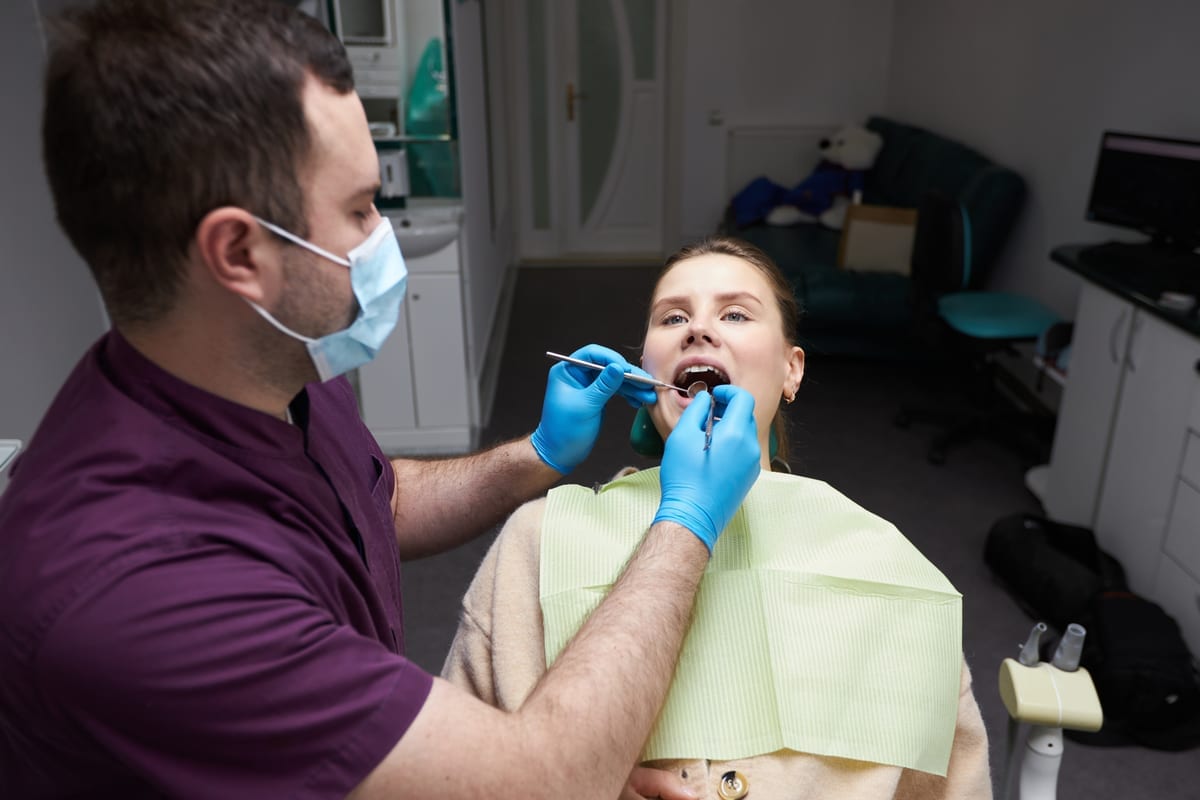
Here is what a typical cleaning visit looks like at Fresh Dental Edmonton:
- Health history review: Dr. Nsair or your hygienist reviews any changes in your health or medications since your last visit.
- Gum pocket measurement: The hygienist gently measures the depth of the spaces between your gums and teeth. Healthy pockets measure 1–3 millimetres.
- Scaling: Tartar and plaque are carefully removed from all tooth surfaces, including below the gumline.
- Polishing: A slightly gritty paste removes surface stains and smooths enamel.
- Flossing and rinse: Interdental spaces are cleaned and a fluoride rinse may be applied.
- Examination: Dr. Nsair performs a thorough examination of your teeth, gums, and oral tissues.
Most appointments take 45 to 60 minutes. Patients with heavier buildup or gum disease may require additional time or multiple appointments.
Taking Action in Edmonton: Your Next Step
Preventing gum disease is far simpler than treating it once it advances. Edmonton residents have direct access to caring, knowledgeable dental professionals at Fresh Dental Edmonton who make this process straightforward and comfortable.
Dr. Hussien Nsair and the Fresh Dental team use gentle techniques and take time to explain findings to every patient. Whether you have not had a cleaning in years or simply want to stay ahead of any developing concerns, a professional cleaning is the most powerful tool available.
Do not wait for symptoms to appear. Gum disease often causes no pain in its early stages. A routine cleaning is your best defence. Book Now to schedule your appointment with our team.
Frequently Asked Questions
How do I know if I have gum disease?
Common early signs include bleeding gums when brushing or flossing, persistent bad breath, red or swollen gum tissue, and gums that appear to be pulling away from the teeth. However, gum disease can be present without obvious symptoms, which is why regular professional examinations are so important for early detection.
How often should I get a professional teeth cleaning in Edmonton?
Most patients benefit from a professional cleaning every six months. If you have a history of gum disease, your dentist may recommend more frequent visits — typically every three to four months — to keep bacteria levels under control and monitor gum pocket depths closely.
Can gum disease be reversed?
In its earliest stage — gingivitis — gum disease is fully reversible with professional cleaning and consistent home care. Once it progresses to periodontitis and bone loss occurs, the damage cannot be fully reversed. However, it can be managed effectively with regular professional treatment to prevent further deterioration.
Is gum disease treatment painful?
A standard cleaning is generally comfortable for most patients. Deeper scaling and root planing procedures may cause some sensitivity, and local anaesthetic is often used to ensure comfort. Dr. Hussien Nsair at Fresh Dental Edmonton prioritizes patient comfort throughout every procedure.
What can I do at home to prevent gum disease?
Brush thoroughly twice daily using a soft-bristled toothbrush. Floss at least once a day to remove plaque from between teeth and just below the gumline. Drink plenty of water, avoid smoking, and maintain your regular professional cleaning schedule at Fresh Dental Edmonton for the most effective prevention.