





"We Are Open on Saturdays"
Why Your Dentist Recommends Cleanings Every 3 Months, Not 6
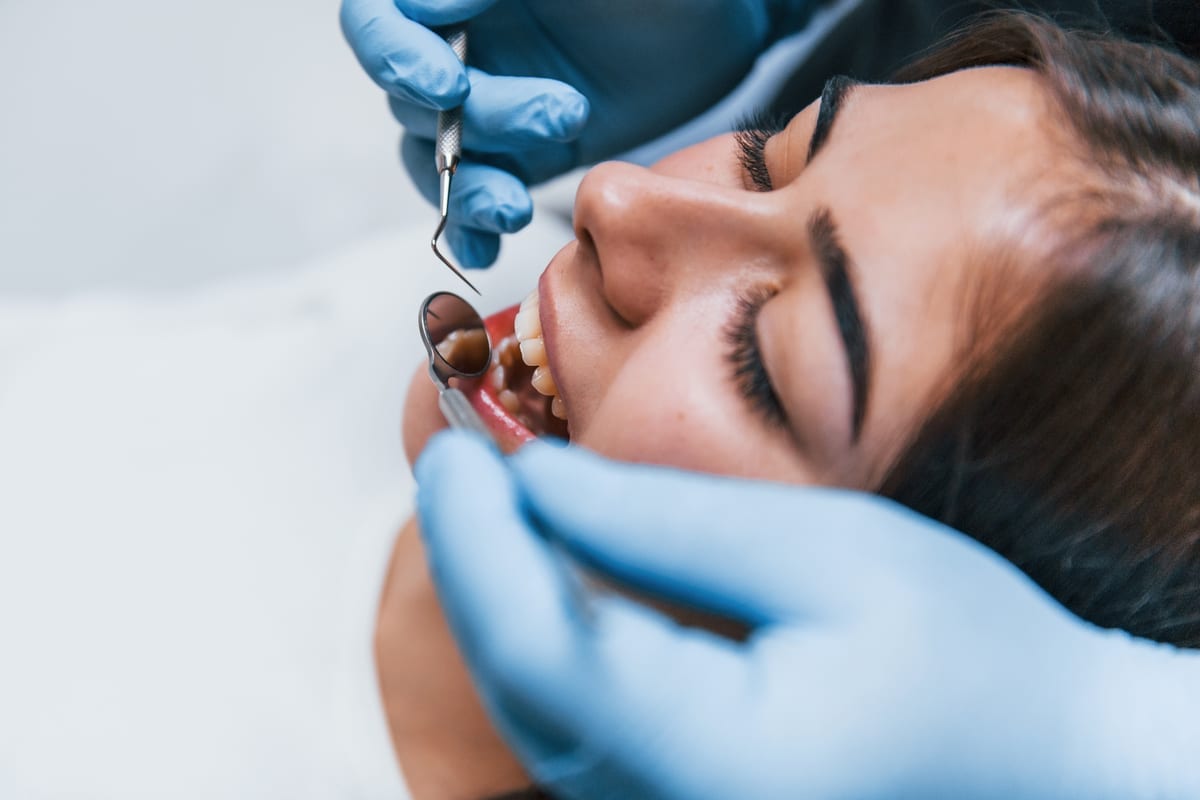
If your dentist has ever suggested coming in more often than twice a year, you may have wondered why. Understanding why your dentist recommends cleanings every 3 months, not 6, in Edmonton can actually change how you think about your oral health. It is not a one-size-fits-all schedule. At Fresh Dental Edmonton, Dr. Hussien Nsair tailors cleaning frequency to each patient’s unique needs.
Most people assume every six months is the standard for everyone. In reality, that guideline works well for patients with healthy gums and low cavity risk. But many Edmonton residents fall into a different category — and more frequent visits can make a significant difference.
Why Cleaning Frequency Is Not the Same for Everyone
Your mouth is unique. Your genetics, lifestyle habits, and medical history all influence how quickly plaque and tartar build up. Some patients accumulate buildup very slowly. Others develop it rapidly, even with excellent brushing and flossing habits at home.
The six-month guideline became a common recommendation decades ago. It was not based on clinical research for every patient type. Dental science has since evolved significantly. We now understand that risk-based scheduling leads to better long-term outcomes.
Dr. Nsair evaluates several factors during your exam. These include gum health, bone levels, saliva quality, and your history of cavities. Based on that assessment, he recommends the interval that best protects your teeth and gums.
Key Risk Factors That Trigger a 3-Month Cleaning Schedule in Edmonton
Wondering whether you might need more frequent visits? Several specific risk factors commonly lead dentists to recommend a 3-month cleaning cycle.
- Gum disease (gingivitis or periodontitis): Bacteria that cause gum disease re-colonize pockets within 90 days. A 3-month interval disrupts this cycle before damage occurs.
- Diabetes: High blood sugar reduces your body’s ability to fight bacterial infection. This increases the risk of gum inflammation and bone loss.
- Smoking or tobacco use: Tobacco reduces blood flow to gum tissue. It accelerates tartar buildup and slows healing significantly.
- Dry mouth (xerostomia): Saliva neutralizes acids and washes away bacteria. Without enough saliva, cavity and gum disease risk increases dramatically.
- A history of frequent cavities: If you have had multiple fillings, your mouth environment may favour bacterial growth.
- Pregnancy: Hormonal changes can cause gum sensitivity and inflammation, known as pregnancy gingivitis.
- Weakened immune system: Certain medications and health conditions reduce your body’s natural defenses against oral bacteria.
If any of these apply to you, Dr. Nsair will likely recommend coming in every three to four months. This is not about generating extra appointments. It is about preventing more serious — and more costly — problems down the road.
What Happens at a 3-Month Cleaning Visit?
A preventive cleaning at Fresh Dental Edmonton is a focused, clinical visit. It is not simply a repeat of your last appointment. Each visit serves a specific purpose in your ongoing care plan.
Here is what you can typically expect during a 3-month cleaning appointment:
- Periodontal assessment: Your hygienist checks pocket depths around each tooth. This tracks whether gum disease is stable, improving, or worsening.
- Tartar removal (scaling): Professional tools remove hardened deposits that brushing cannot address. This is the most important step for patients with gum disease.
- Polishing: A gentle polish removes surface stains and smooths tooth surfaces. Smooth surfaces are harder for bacteria to cling to.
- Irrigation or antimicrobial rinse: For patients with active gum disease, this step flushes bacteria from deep pockets.
- Personalized homecare review: Your hygienist checks your brushing and flossing technique. Small adjustments can have a big impact between visits.
These visits also give Dr. Nsair the opportunity to catch problems early. Small cavities, early-stage gum disease, and even signs of oral cancer are much easier to treat when detected promptly.
The Long-Term Benefits of More Frequent Cleanings
More frequent cleanings are an investment in your long-term dental health. The benefits go well beyond a brighter smile. They protect the underlying structures that hold your teeth in place.
- Reduced risk of tooth loss from advanced gum disease
- Lower likelihood of needing a Root Canal Edmonton due to untreated decay
- Fresher breath by eliminating bacterial buildup consistently
- Better overall health, since gum disease is linked to heart disease and diabetes
- A brighter, cleaner smile that supports your confidence
- Fewer dental emergencies and unplanned appointments
Patients who maintain their prescribed cleaning schedule often end up spending less over time. Prevention is always more affordable than treatment. A filling costs less than a crown. A cleaning costs far less than a tooth extraction or implant.
If you are interested in improving the appearance of your smile alongside your oral health, ask us about Cosmetic Dentistry Edmonton options available at our practice.
How Fresh Dental Edmonton Determines Your Ideal Schedule
Not everyone who walks into our Edmonton practice needs a 3-month schedule. Some patients genuinely do well with twice-yearly visits. The goal is to match the cleaning frequency to your actual risk level.
Dr. Hussien Nsair uses a thorough assessment process to determine what interval makes the most sense for you. He reviews your dental history, current gum health, and any systemic health factors that could affect your mouth. This approach ensures every recommendation is based on your individual situation — not a general rule.
Your schedule may also change over time. A patient who needed 3-month cleanings during a period of gum disease may eventually return to a 6-month schedule once their gum health stabilizes. The plan evolves as your health does.
If you are unsure whether your current cleaning schedule is right for you, a conversation with Dr. Nsair can provide real clarity. Our team at Fresh Dental Edmonton is here to help you make informed decisions about your care.
Conclusion
Understanding why your dentist recommends cleanings every 3 months, not 6, in Edmonton is the first step toward better oral health. Your cleaning interval should reflect your personal risk factors, not just a general guideline. More frequent visits protect your gums, prevent tooth loss, and support your overall wellbeing. Book Now to schedule your appointment with our team.
Frequently Asked Questions
Is a 3-month cleaning schedule really necessary, or is it just extra visits?
For patients with gum disease, diabetes, or other risk factors, a 3-month schedule is clinically recommended. It disrupts the bacterial cycle before serious damage occurs. It is based on your individual health needs, not a general policy.
Will my teeth feel different after more frequent cleanings?
Many patients notice that their teeth feel cleaner and their gums are less sensitive over time. As gum health improves with consistent care, cleanings often become more comfortable. Your hygienist will adjust the approach based on how your gums respond.
Can I go back to 6-month cleanings if my gum health improves?
Yes. Dr. Nsair regularly reassesses your cleaning interval based on your current gum health. If your condition stabilizes and risk factors decrease, transitioning back to a 6-month schedule is absolutely possible. Your care plan is always flexible and patient-centred.
What happens if I skip recommended 3-month cleanings?
Skipping cleanings allows bacteria to re-establish deep in gum pockets. This can accelerate bone loss and gum recession. Over time, the damage may become irreversible and require more intensive treatment.
How do I know which cleaning schedule is right for me?
The best way to find out is to schedule a comprehensive exam with Dr. Hussien Nsair at Fresh Dental Edmonton. He will evaluate your gum health, review your medical history, and recommend the interval that best protects your smile long-term.